Ambulance Response Time
What South Africans need to understand about emergency response times.
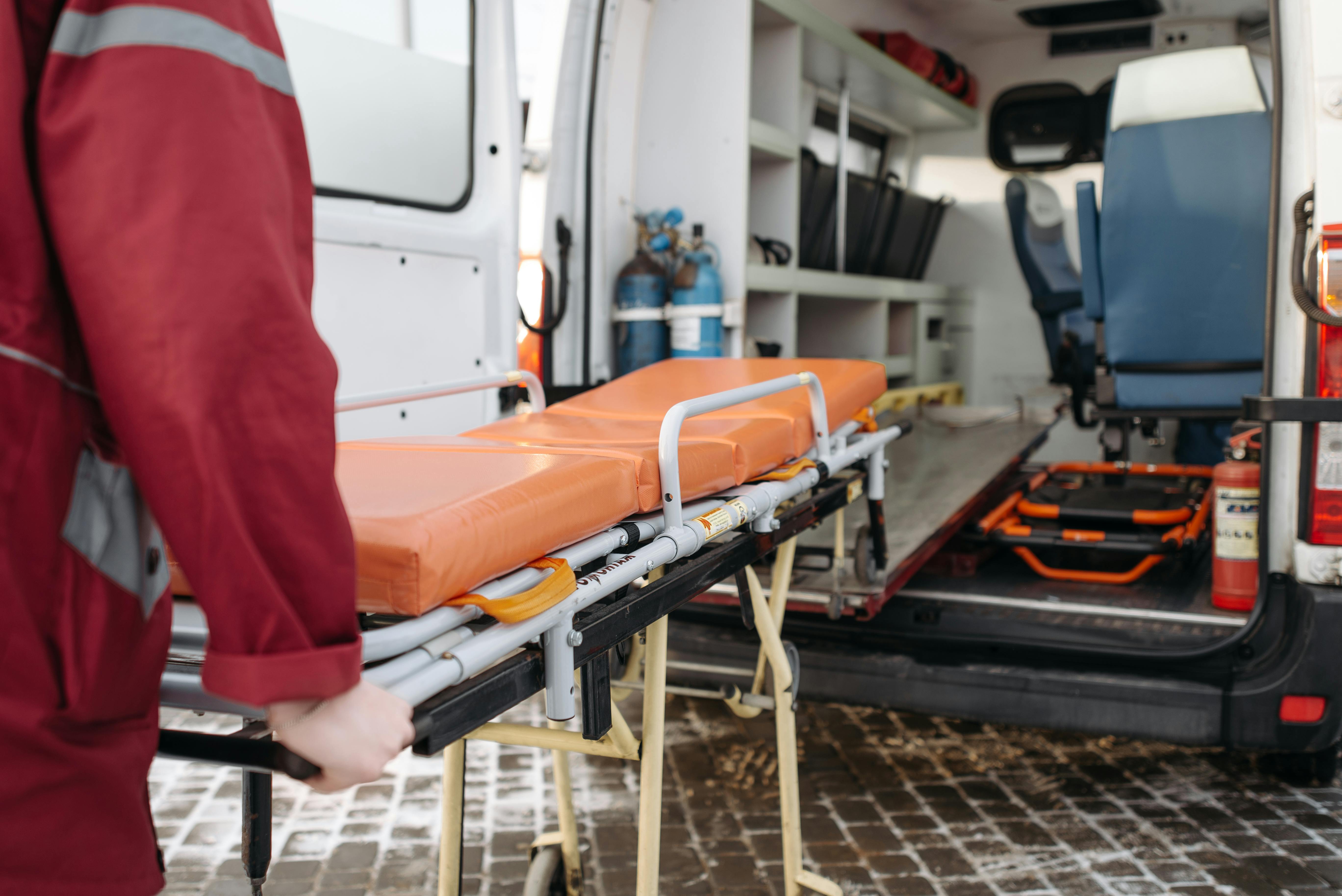
When someone calls an ambulance, the expectation is simple: help should arrive quickly. But ambulance response times are influenced by many factors including distance, traffic, resource availability, and the urgency of the emergency.
What “Response Time” Actually Means
Ambulance response time refers to the time between when an emergency call is received and when the ambulance arrives at the scene.
Emergency calls are prioritised based on severity, meaning life-threatening incidents are responded to first while less urgent medical situations may wait longer.
Why Response Times Can Vary
Several factors influence how quickly an ambulance can arrive:
- Distance from the nearest ambulance station
- Traffic conditions and road infrastructure
- Availability of ambulances and paramedics
- Multiple emergencies happening at the same time
What Happens After You Call for Help
Emergency response involves several coordinated steps:
- The call is received and assessed by a dispatch operator
- The emergency is prioritised
- The closest available ambulance is dispatched
- Paramedics travel to the scene and begin treatment
Why Preparedness Matters
The first few minutes of an emergency are often the most critical. Basic knowledge such as first aid, CPR, or knowing how to keep a patient safe while waiting for help can make a significant difference.
Improving Emergency Response
Improving response times involves more than simply adding more ambulances. Better coordination, public awareness, and improved infrastructure all contribute to faster and more effective emergency care.
This article was originally published on LinkedIn.
Read the LinkedIn Article